Modern Abstract Geometric Illustration: A Versatile Creative Tool
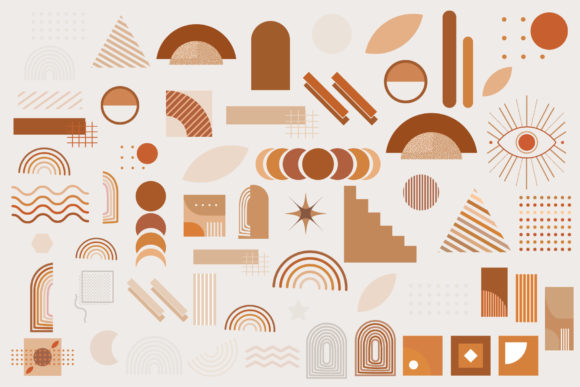
At its core, modern abstract geometric illustration is a visual language built from shapes, lines, planes, circles, squares, and patterns. It strips away representational clutter and focuses on composition, color, texture, and spatial relationships. This style draws from minimalist and Scandinavian design traditions, favoring clean lines, balanced palettes, and thoughtful negative space. It is not just art for art's sake—it is a practical tool used across education, branding, publishing, product design, and personal projects.
What makes this style so widely adopted is its flexibility. A single geometric poster can feel playful or professional depending on the color palette and arrangement. The same set of shapes used on a classroom worksheet can be repurposed for a corporate presentation cover or a children's book illustration. Understanding how different audiences approach and apply these visuals can help you decide whether this style fits your own work, studies, or creative goals.
Why Beginners Find Geometric Illustration Approachable
For someone just starting out in design, drawing, or digital art, modern abstract geometric illustration offers a forgiving entry point. You do not need advanced drawing skills to create something that looks intentional and polished. By working with basic shapes—circles, squares, triangles, and lines—you can build compositions that feel cohesive and modern. Many beginners begin by tracing over grid paper or using vector software templates to practice arranging elements.
The learning curve is gentle. You can start with a monochrome palette and one shape type, then gradually introduce color, texture, and layering. This makes geometric illustration ideal for self-taught learners, students in elementary or university art courses, or hobbyists exploring a new creative outlet. The emphasis on composition over realistic depiction reduces frustration and builds confidence quickly.
Beginners often focus on ease of use and cost. Free tools like Inkscape, Gravit Designer, or even pencil and paper allow anyone to experiment. Many online courses and tutorials break down geometric illustration into manageable steps, covering shape placement, color theory, and pattern repetition. If you are new to this space, start by recreating simple poster designs or book covers using only three shapes and two colors. This constraint actually helps you learn faster.
How Creative Professionals and Designers Leverage This Style
For graphic designers, illustrators, and art directors, modern abstract geometric illustration is a reliable workhorse. It works across media: print, web, packaging, environmental graphics, and motion. Because the style is inherently modular, you can adapt a single geometric pattern into multiple formats—a wallpaper, a sticker sheet, a social media template, or a book cover—while maintaining brand consistency.
Professionals prioritize flexibility, speed, and commercial value. A well-constructed geometric pattern can be reused across client projects with color or scale adjustments. For example, a set of abstract line art and plane compositions can serve as the foundation for a university course booklet, a tech company's branding, and a stationery line, simply by shifting the color palette from warm neutrals to bold primaries.
Typography also plays a key role here. Geometric illustration pairs naturally with sans-serif lettering, minimalist type layouts, and even hand-drawn graffiti-style accents. Designers working on "back to school" campaigns, educational materials, or creative classroom resources often combine geometric shapes with bold typography to create covers, posters, and worksheets that feel contemporary without being distracting.
If you are a creative professional, evaluate whether this style aligns with your client's needs. It works well for brands that want to communicate clarity, innovation, or approachability. It may not suit clients looking for ornate, organic, or highly detailed visuals.
Educators and Classroom Use: Teaching Visual Thinking
In educational settings—from elementary art classes to university-level design courses—modern abstract geometric illustration serves as both a teaching tool and a creative outlet. Teachers use geometric shapes to introduce concepts like balance, symmetry, color harmony, and spatial reasoning. Students learn to see how basic elements combine to create complex visuals.
For younger learners, geometric illustration feels like play. Drawing circles and squares, filling them with color, and arranging them into patterns builds fine motor skills and visual literacy. For older students, it becomes a gateway to understanding design principles, vector graphics software, and even print production. Many university courses use geometric illustration projects to teach composition before moving on to more advanced topics like typography or branding.
Educators value learning value, clarity, and cost. Printable worksheet packs, sticker sets, and stationery with geometric designs are easy to produce and distribute. The style also works well for classroom posters and visual aids, where clean lines and high contrast improve readability. If you teach design or art, consider starting a unit with a pencil-and-paper geometric composition exercise before introducing digital tools. This reinforces foundational skills without technical barriers.
Business Owners and Marketers: Building Visual Identity
For small business owners, entrepreneurs, and marketers, modern abstract geometric illustration offers an affordable way to establish a professional visual identity. You do not need a full branding agency to create a cohesive look. A consistent geometric pattern used across your website, social media graphics, packaging, and printed materials signals attention to detail and contemporary taste.
Marketers often prioritize speed, reliability, and cost. A single vector-based geometric design can be adapted into a logo, a social media template, a product label, and a brochure cover. Because the style is scalable, it works equally well on a business card and a billboard. Many stock asset libraries offer geometric patterns, poster templates, and vector elements that you can customize with your own colors and logo.
Consider a small stationery brand launching a "back to school" collection. By using a modern abstract geometric pattern with a minimalist palette, the brand can create notebooks, stickers, and pencil cases that appeal to students, parents, and teachers alike. The same pattern can appear on the brand's website, email newsletters, and packaging, creating a unified customer experience.
If you run a business, ask yourself: Does this style reflect the message I want to communicate? Geometric illustration works well for tech, education, wellness, and creative services. It may feel too cold or impersonal for brands centered on warmth, tradition, or luxury.
Hobbyists and Consumers: Personal Expression Through Shapes
Many people engage with modern abstract geometric illustration purely for enjoyment. Hobbyists use it to decorate their homes, create custom gifts, or relax through mindful drawing. The repetitive nature of placing shapes, choosing colors, and building patterns can be meditative. It is also a low-pressure way to explore creativity without needing to master realistic drawing.
Consumers encounter geometric illustration in everyday products: wallpaper, posters, book covers, clothing prints, and home decor. For someone buying a geometric print for their living room, the priorities are aesthetic appeal, quality, and how it fits with existing decor. Scandinavian and minimalist styles remain popular because they integrate easily into different interiors.
If you are a hobbyist, start with simple tools. A pencil, a ruler, a compass, and some colored markers are enough to create striking geometric art. Digital tools like Procreate or Adobe Fresco let you experiment with texture, layering, and color without wasting materials. Many hobbyists enjoy creating their own sticker sets or stationery for personal use or as gifts.
For consumers buying geometric design products, look for quality in printing, paper, and color fidelity. A well-made poster or booklet enhances the viewing experience, while poor reproduction can make even good designs look flat.
Practical Decision-Making: Is This Style Right for You?
Whether you are a beginner, a professional, an educator, or a business owner, the question is not whether modern abstract geometric illustration is "good" in an absolute sense, but whether it aligns with your specific goals, skill level, and project type.
Consider ease of use. If you are new to design, geometric illustration offers a low-friction path to creating polished visuals. If you are experienced, it provides a modular system for rapid iteration and client work.
Consider cost. Free and low-cost tools make this style accessible to everyone. High-end vector software and premium asset libraries add convenience but are not required.
Consider flexibility. Geometric patterns adapt across media and scale. A single composition can serve as a poster, a texture, a wallpaper, or a printing template. This versatility reduces the need to create new designs from scratch for every application.
Consider presentation. Clean geometric visuals communicate clarity, modernity, and intention. They work well in contexts where you want the viewer to focus on structure and color rather than narrative or detail.
Consider long-term usefulness. Unlike trend-driven styles, geometric abstraction has remained relevant across decades. It appears in Bauhaus posters, mid-century branding, and contemporary digital design alike. Investing time in learning this style builds skills that stay useful as your projects evolve.
If your goal is to create educational materials, branded content, or personal artwork that feels current, intentional, and adaptable, modern abstract geometric illustration is a strong choice. If your work leans toward figurative storytelling, organic forms, or highly ornate detail, you may find this style too restrictive. There is no wrong answer—only the right fit for your context.
Getting Started: Simple Steps for Any Audience
No matter where you fall on the spectrum from novice to expert, you can begin exploring this style today:
- Gather references. Look at posters, book covers, wallpaper designs, and abstract pattern collections. Notice how different color palettes and shape densities change the mood.
- Limit your tools. Start with paper, pencil, a ruler, and a compass. If digital, use a free vector app and stick to basic shape tools.
- Set constraints. Use only two shapes and three colors for your first composition. Constraints force creative decisions and reduce overwhelm.
- Focus on composition. Arrange shapes with intentional spacing, symmetry or asymmetry, and alignment. Let the negative space breathe.
- Iterate. Make small variations in color, scale, and rotation. Compare versions and notice how small changes affect the overall feel.
- Apply your design. Use it as a poster, a social media cover, a sticker, or a pattern for fabric or paper. Seeing your work in context reinforces learning and motivation.
Modern abstract geometric illustration is not a single formula—it is a flexible visual system. Whether you are teaching a classroom, building a brand, learning a new skill, or decorating a space, this approach rewards clarity, experimentation, and thoughtful composition. The shapes are simple, but the possibilities are not.