Back to School Monitor Computer SVG – What to Know Before You Download and Use It
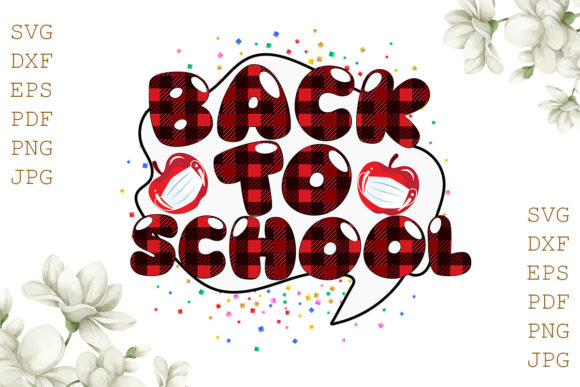
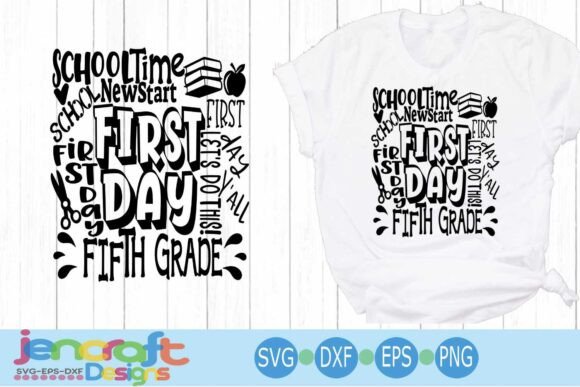
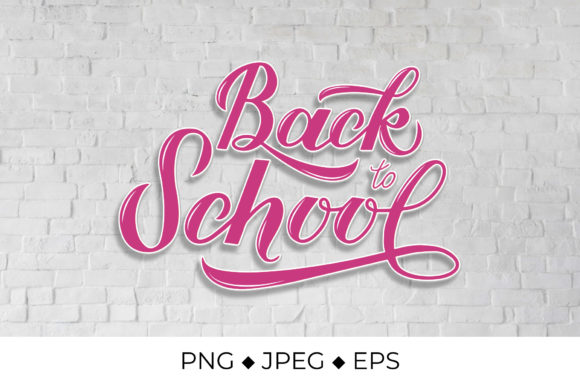
If you have come across a Back to School Monitor Computer SVG set, you are likely looking for a clean, versatile graphic that can serve multiple purposes—classroom decorations, marketing flyers, blog visuals, social media posts, or even products you plan to sell. Many people are drawn to this design because it combines a relatable seasonal theme with a digital product that comes in several formats, making it seem like a one-size-fits-all solution. However, there are some common pitfalls that can turn a promising download into a frustrating experience. Understanding what to look for, and what to avoid, will save you time, money, and rework.
This article walks through the most frequent mistakes people make when choosing, downloading, and using a Back to School Monitor Computer SVG set—and, more importantly, how to sidestep them. Whether you are a crafter, a teacher, a small business owner, or a casual hobbyist, a few smart checks before you buy or open the file will make all the difference.
Mistake Number One: Assuming One Format Works for Everything
A common misunderstanding is that an SVG file alone is enough for any project. While SVG is a fantastic vector format, it is not always the best choice for every use case. The Back to School Monitor Computer SVG set you are considering includes AI, EPS, SVG, DXF, JPG, and PNG files—each designed for a specific type of workflow. Ignoring the differences can lead to poor results.
Why This Hurts Your Project
If you open a DXF file in a photo editor, you will likely get garbled shapes or no transparency. If you use a PNG for a large banner, the image may appear pixelated or blurry. If you try to edit an SVG in a program that only supports raster images, you lose all vector benefits. The result is wasted time, frustration, and a final product that looks unprofessional.
What to Do Instead
- Know your software: Before downloading, confirm which formats your design tools support. For Silhouette users, DXF is often the best choice. For Cricut, SVG works well. For professional vector editing, AI or EPS files give you full control. For quick social media posts, the JPG or PNG versions are ready to use.
- Match format to output: If you plan to print a large poster, start with the AI or EPS file so you can scale without quality loss. If you are making a sticker, use the SVG or DXF for the cut line.
- Keep the set together: Even if you only need one format today, save the entire set. Future projects may require a different format, and having them all on hand prevents a second purchase.
Mistake Number Two: Overlooking Canvas Size and Resolution
Each file in the set comes with a canvas size of 1920 x 1280 pixels. Many people assume this is the final output size and never check whether it matches their intended use. That assumption can cause serious scaling problems, especially when the design is used for print or large displays.
The Real Problem
If you insert a 1920 x 1280 pixel PNG into a document intended for a 24 x 36 inch poster, the image will either stretch and blur or remain small and lose impact. The same issue occurs if you try to use the SVG at a much larger size without checking the original dimensions. While vector files are resolution-independent, the initial canvas size still affects how the design behaves when opened in some programs.
A Better Approach
- Check the canvas before editing: Open the AI or SVG file and confirm the artboard dimensions. If your project requires a different size, resize the canvas first, then scale the design proportionally.
- Use vector formats for scaling: For any print or large format use, always work from the AI, EPS, or SVG files. The JPG and PNG versions are best for on-screen use where 1920 x 1280 fits well, such as blog headers, YouTube thumbnails, or social media graphics.
- Test a small print first: If you are unsure about the resolution, print a small test piece before committing to a large run. This catches any blurriness or color shift early.
Mistake Number Three: Ignoring Editable Layers and Color Spaces
One of the main selling points of a Back to School Monitor Computer SVG set is that it is easy to edit. But that ease depends on how you approach the file. A surprising number of users open the SVG and find they cannot change colors or move elements, then assume the file is broken.
What Usually Goes Wrong
Some programs handle SVG files as flattened images rather than layered vectors. If you use a basic image viewer or a low-end editor, you may see only a single merged layer. Similarly, the color space embedded in the file may default to RGB, which prints differently than CMYK. This can result in colors that look vibrant on screen but dull on paper.
How to Get the Full Editing Benefit
- Use proper vector editing software: Adobe Illustrator, Inkscape, Affinity Designer, or CorelDRAW will recognize the layers correctly. Free tools like Inkscape can handle SVG files very well, so you do not need expensive software to make changes.
- Check the layer panel immediately: When you open the file, verify that individual elements are separate. If they appear grouped, ungroup them. This gives you control over colors, sizes, and positioning.
- Convert color profiles if needed: For print projects, convert the file from RGB to CMYK in your editing software. This ensures the printed colors match your screen more closely.
- Save a master copy: Always keep an unflattened version of the file in your native format (like .ai or .svg) so you can return to it later without starting over.
Mistake Number Four: Forgetting to Verify Licensing and Usage Rights
Because the Back to School Monitor Computer SVG is a digital product, many buyers assume they can do whatever they want with it—sell it, modify it, give it away, use it for commercial projects. That is not always the case, and misunderstanding the license can lead to legal trouble or at least a violation of the seller's terms.
Common Misunderstandings
- Assuming that buying the file grants unlimited commercial rights.
- Believing that because the design is a monitor and computer theme, it cannot be trademarked or restricted.
- Thinking that altering the original design makes it a new product that can be resold freely.
Practical Steps to Stay Safe
- Read the license before you purchase: Most reputable sellers include a clear summary of what is and is not allowed. Look for terms like "personal use only," "commercial use with attribution," or "extended commercial license."
- Keep a copy of the license: Save the license file or a screenshot of the terms in the same folder as your digital files. This protects you if questions arise later.
- When in doubt, ask: If the license is unclear, contact the seller directly. A quick email can save you from an expensive mistake.
- Do not assume "free" means unrestricted: Even free downloads often have conditions, especially regarding redistribution or use in products for sale.
Mistake Number Five: Overlooking File Organization and Backup
It sounds simple, but many people download a Back to School Monitor Computer SVG set, use it once, and then lose track of the files. A few months later, when they need the same design for another project, they cannot find the original SVG or they have accidentally saved over the editable version.
Why This Matters More Than You Think
Losing the original vector file means you may have to recreate the design from scratch, buy it again, or settle for a low-quality raster version. For entrepreneurs and educators who reuse assets seasonally, this inefficiency adds up over time.
A Simple System That Works
- Create a dedicated folder structure: Store the entire set in a folder labeled by theme and date. For example, "Back to School 2025 – Monitor SVG Set."
- Rename files clearly: Keep the original format names but add a brief descriptor like "Monitor_Computer_SVG_FullSet." Avoid vague names like "design1" or "final."
- Back up to cloud storage: Save a copy to Google Drive, Dropbox, or another service. This protects against hard drive failure and makes the files accessible from any device.
- Archive the original download: Keep the ZIP file or original folder untouched. Work from copies so you always have a fresh master.
Mistake Number Six: Assuming the Design Works Perfectly on Every Surface
A Back to School Monitor Computer SVG is a graphic element, and like all graphics, its appearance depends on the material and method of application. Some users are disappointed when the same design looks crisp on a computer screen but muddy on a T-shirt or blurred on a wooden sign.
The Details That Get Overlooked
Fine lines, small text, and intricate details in the SVG may not translate well to physical products. Heat transfer, engraving, and printing each have minimum line thickness requirements. What looks elegant in the vector file may be impossible to reproduce accurately on fabric or wood.
How to Avoid This Disappointment
- Simplify for physical production: Before sending the design to a cutter or printer, remove very thin lines or tiny elements that may not render. Test with a small sample first.
- Ask your production partner: If you use a print-on-demand service or local shop, ask about their minimum line width and recommended file formats. Some prefer SVG, others need a high-resolution PNG with a transparent background.
- Keep scale in mind: A design that works well on a 12-inch banner may need adjustment for a 3-inch sticker. Resize and review the design at the actual output size.
- Use the correct format for the medium: For vinyl cutting, DXF or SVG is usually best. For direct-to-garment printing, a PNG with transparency works better. For engraving, a clean SVG with no hidden layers is ideal.
What to Check Before You Buy or Download
To get the most out of a Back to School Monitor Computer SVG set, run through this quick checklist before you make a purchase or start editing:
- Format compatibility: Does your software support the formats included? AI, EPS, SVG, DXF, JPG, and PNG cover most scenarios, but verify with your specific tools.
- Canvas size: 1920 x 1280 pixels is a good starting point, but confirm it matches your intended output dimensions, especially for print.
- License clarity: Can you use the design for your intended purpose—personal projects, commercial products, or both?
- Editable layers: Does the file separate elements so you can change colors, remove parts, or rearrange them?
- Scalability: Will the design hold up at larger sizes, especially if you rely on raster formats?
- Production readiness: If you plan to cut or print the design, are the lines thick enough for your method?
Final Practical Advice
The Back to School Monitor Computer SVG set is a versatile and convenient digital product when you approach it with the right expectations. It gives you multiple formats, a consistent canvas size, and a design that can be edited to fit your needs. But like any tool, it works best when you understand its strengths and limitations. Take a few minutes to check the file structure, confirm your software handles the format you need, and plan your editing workflow before you begin. That simple habit will help you avoid frustration, save time, and produce results that look professional across every project—whether you are decorating a classroom, creating marketing materials, or launching a small product line.